
How to Choose Roof Shingles for Your Home
- jordancebada34
- Apr 21
- 6 min read
A roof can look fine from the street and still be the wrong fit for your home. We see that happen when homeowners choose shingles based only on color or the lowest quote, then deal with premature wear, storm damage, or a look that does not match the house. If you are wondering how to choose roof shingles, the right answer comes down to balancing appearance, weather protection, budget, and long-term value.
In South Carolina and nearby North Carolina communities, that decision matters even more. Heat, humidity, heavy rain, wind, and the occasional hail event can all shorten a roof's life if the materials are not a good match for local conditions. A shingle that works well in one region may not be the best option for a home in Greenville, Spartanburg, Anderson, Columbia, or Fountain Inn.
How to choose roof shingles starts with your priorities
Before you compare brands or colors, get clear on what matters most for your home. Some homeowners want the most affordable option that still offers solid protection. Others are planning to stay in the house for many years and care more about lifespan and warranty coverage. Some are preparing to sell and want strong curb appeal without overinvesting.
That is why there is no one-size-fits-all answer. The best roof shingle for your neighbor may not be the best one for you. If your roof gets full sun all day, your needs may be different from someone with mature tree coverage. If your area sees regular storm activity, impact resistance may deserve more attention than purely cosmetic upgrades.
A good contractor should help you sort through those trade-offs instead of pushing a single product. That guidance can save you money and help you avoid paying for features you do not really need.
Start with the shingle type
For most residential homes, asphalt shingles are the standard choice because they offer a strong mix of cost, durability, and style options. Within that category, though, there are important differences.
Three-tab shingles are usually the most budget-friendly. They have a flatter, simpler look and can work well for homeowners focused on upfront cost. The trade-off is that they generally do not last as long or offer the same visual depth as upgraded options.
Architectural shingles, also called dimensional shingles, are a popular step up. They are thicker, more durable, and designed to create a more textured, high-end appearance. For many homeowners, this is the sweet spot between affordability and performance.
Premium or designer shingles offer more distinct styles and can mimic the look of slate or wood shake. They can be a strong choice for upscale homes or homeowners who care deeply about curb appeal, but they come at a higher price.
If you are comparing these options, think beyond the material cost alone. A longer-lasting shingle with better wind resistance may offer better value over time than the cheapest option on the estimate.
Match the shingles to your local weather
A roof in the Carolinas needs to do more than look good. It has to stand up to real weather stress.
High heat can accelerate aging, especially on darker roofs that absorb more sunlight. Humidity can contribute to staining or algae growth. Heavy rain tests the roof's drainage performance, and strong winds can expose weaknesses in lower-grade materials or improper installation.
If storm protection is a concern, ask about wind ratings and impact-resistant options. Not every home needs the highest possible rating, but if your neighborhood sees frequent wind-driven rain or hail, it may be worth the upgrade. This is especially true if you have already filed a roof-related insurance claim in the past.
Ventilation also matters more than many homeowners realize. Even the best shingles can wear out early if the attic holds too much heat and moisture. Choosing roof shingles should go hand in hand with making sure the overall roofing system is set up to perform properly.
Color matters more than most homeowners expect
Shingle color affects both appearance and performance. From the street, your roof can account for a large portion of your home's exterior look, so the wrong color can throw off everything from brick tone to trim color.
Neutral shades like charcoal, weathered wood, gray, and brown remain popular because they work with a wide range of siding, brick, and stone. They also tend to age visually a little better than trend-driven colors.
Lighter shingles may help reduce heat absorption, which can be useful in warmer climates. Darker shingles can create a bolder look, but they may show fading differently over time depending on the product and exposure.
Try not to choose from a tiny sample indoors. Roof colors look different in natural light, and the size of the roof makes the final appearance much stronger than a sample board suggests. Looking at completed homes with similar exterior colors can help you make a more confident decision.
Pay attention to lifespan and warranty
When homeowners ask how to choose roof shingles, they often focus on the purchase price first. That is understandable, but lifespan and warranty details deserve just as much attention.
A lower-cost roof may save money now but need replacement sooner. A better shingle may cost more upfront and provide stronger long-term value, especially if you plan to stay in the home. That does not mean the most expensive option is always best. It means you should look at the full picture.
Manufacturer warranties can vary, and the fine print matters. Some warranties cover manufacturing defects but not installation issues. Others may offer stronger coverage when the full roofing system is installed together. Workmanship coverage from the contractor is just as important, because even a high-quality product can fail if it is not installed correctly.
This is where choosing an experienced, responsive roofing company makes a real difference. The materials matter, but the people installing them matter just as much.
Consider your home's style and resale value
The roof should fit the house. A basic shingle may be perfectly appropriate for a modest ranch home, while a larger custom home may benefit from a dimensional or designer product that better complements the architecture.
If resale is on your mind, think about broad appeal. Most buyers want a roof that looks clean, current, and durable. An unusual color or style might appeal to you personally but could limit buyer interest later.
In many cases, architectural shingles offer the best balance here. They give the roof more dimension and can elevate curb appeal without pushing the budget as far as premium products.
Installation quality can make or break the result
Homeowners sometimes spend a lot of time choosing shingles and not enough time choosing who installs them. That can be a costly mistake.
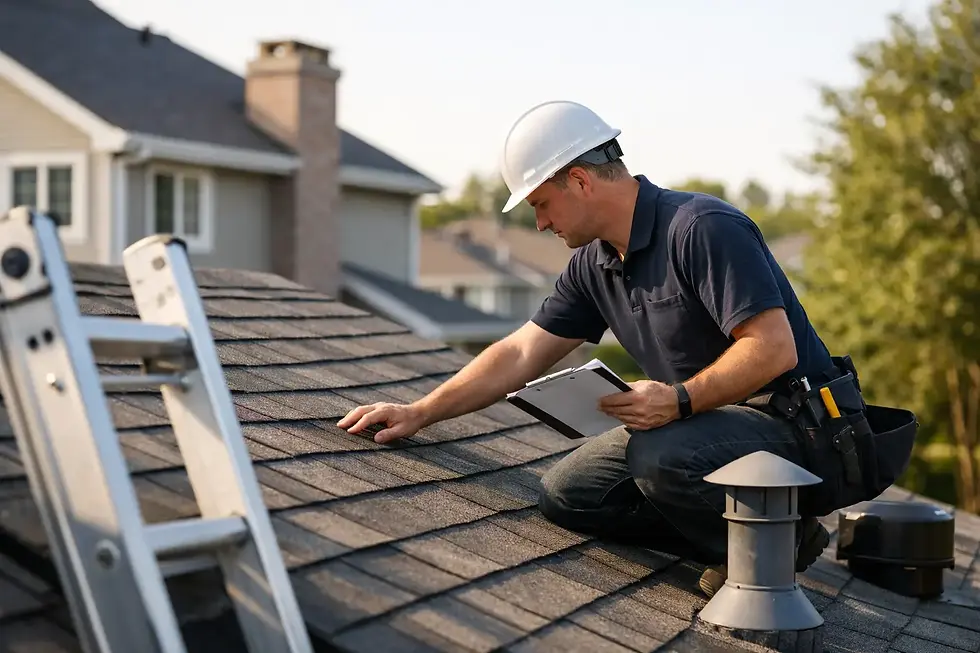
Even top-rated shingles will not perform the way they should if the underlayment, flashing, ridge vent, or nailing pattern is wrong. Roof replacements also require attention to the decking underneath. If damaged wood is missed or ignored, problems can show up long before the shingles themselves wear out.
A trustworthy contractor should inspect the full roofing system, explain what your home needs, and give you a clear scope of work. If insurance is involved because of storm damage, it also helps to work with a company that can guide you through that process clearly and professionally.
For homeowners who want that kind of support, Power Up Construction focuses on making the roofing process straightforward, from inspection through installation and warranty-backed work.
How to choose roof shingles without overpaying
The goal is not to buy the cheapest shingles or the most expensive ones. It is to buy the right shingles for your home.
A smart decision usually comes from comparing a few practical questions. How long do you plan to stay in the home? How exposed is your roof to sun, wind, and storms? Are you choosing for personal long-term comfort or near-term resale? Do you want the most affordable solution, or do you want stronger performance and a longer service life?
Once those answers are clear, the best option tends to narrow quickly. Many homeowners find that a mid-range architectural shingle delivers the right mix of durability, appearance, and value. Others may decide a budget-friendly product makes sense for their goals, while some homes justify a premium product because of style or weather concerns.
The key is making the decision with full information, not pressure.
If you are unsure which shingles fit your home, ask for an inspection and a side-by-side explanation of your options. A good contractor will help you compare real benefits, real costs, and real expectations so you can move forward with confidence.

Comments